Orthopedic surgery can restore movement, reduce pain, and support a return to daily life. It also creates a healing wound that needs careful protection. Even a small concern, such as increasing redness around an incision, deserves attention. Infection may develop despite proper care, but informed patients can often reduce avoidable risks.
This guide explains How to prevent infection after orthopedic surgery through practical, evidence-informed habits. These include hand hygiene, incision care, medication awareness, safe movement, and timely communication with the surgical team. A clean dressing, dry hands, and a measured temperature can provide useful reassurance. They are simple steps.
Surgeons, nurses, and physical therapists may provide instructions tailored to the procedure, implant, and existing health conditions. Follow those instructions rather than relying on general advice alone. Diabetes, smoking, poor circulation, and immune problems may affect healing. Tell your clinician about these factors before and after surgery.
Some recommendations can feel inconvenient. Showering may require planning, and keeping pets away from a healing wound may be difficult. Still, small routines matter. Patients sometimes focus only on pain while overlooking warmth, drainage, or unusual fatigue. That is understandable, but it can delay treatment. Contact your healthcare professional when symptoms worsen, the wound opens, or fever appears. This article offers guidance, not a replacement for personalized medical assessment.
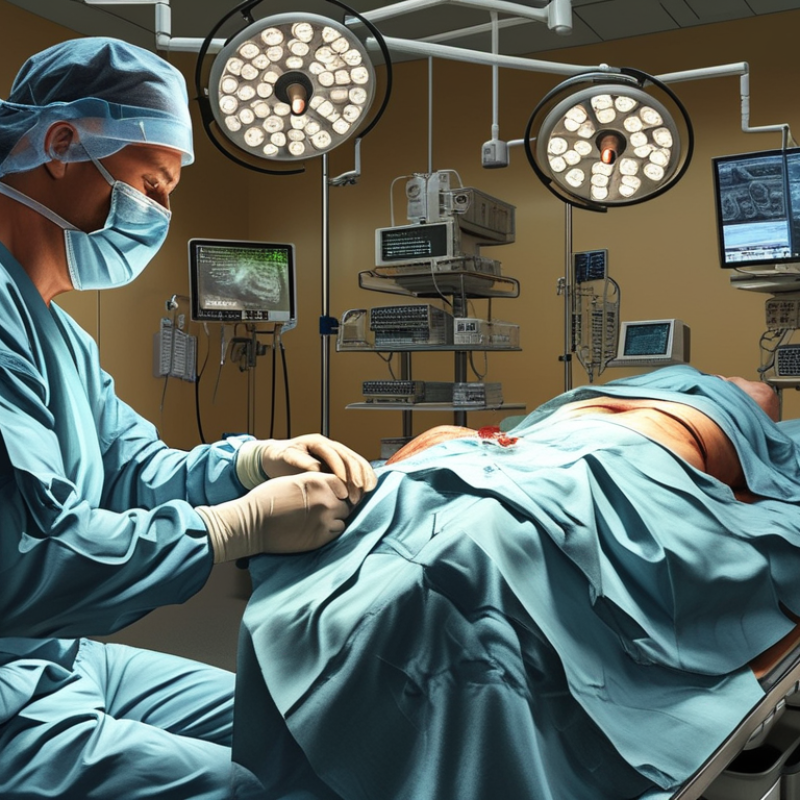
Understanding Infection Risks After Orthopedic Surgery
Infection after orthopedic surgery is uncommon, but its consequences can be serious. The American Academy of Orthopaedic Surgeons reports infection rates of about 1% to 2% after many primary joint replacements. The CDC estimates surgical-site infections affect roughly 2% to 5% of surgical patients overall. These figures are not identical, because risk changes with the operation, implants, diabetes, obesity, smoking, and immune health.
Seven practical habits can reduce avoidable exposure. Clean your hands before touching the dressing. Keep the incision dry until your surgeon permits washing. Never soak it in a bath or pool without clearance. Take prescribed antibiotics exactly as directed, if they are ordered. Do not share medication. Check your temperature and incision daily. Report spreading redness, cloudy drainage, worsening pain, fever, or a bad smell promptly. Keep follow-up appointments, even when the wound looks fine. It can change quickly.
A clean dressing is not a guarantee. I used to think mild redness always meant infection, but early healing can cause limited redness. The pattern matters: redness that expands, warmth that increases, or drainage that thickens deserves medical advice. Poor blood sugar control can slow healing, according to perioperative guidance from major surgical and diabetes organizations. Smoking also reduces tissue oxygen. Stopping before surgery helps, though stopping afterward still matters. Do not apply powders, herbal products, or household antiseptics unless your clinical team approves them. Your surgeon’s instructions should override general online advice.
| No. | Prevention Tip | Why It Matters | Recommended Action | Warning Signs |
|---|---|---|---|---|
| 1 | Keep the incision clean and dry | Bacteria can enter through a surgical wound, especially while the skin is healing. | Follow the surgeon’s dressing instructions. Wash your hands before touching the dressing or incision. Do not apply creams, powders, or antiseptics unless instructed. | Increasing redness, warmth, swelling, drainage, wound separation, or worsening pain. |
| 2 | Perform careful hand hygiene | Hands can transfer microorganisms to the incision, catheter, dressing, or medical devices. | Wash with soap and water for at least 20 seconds, or use an alcohol-based hand sanitizer when hands are not visibly dirty. Ask visitors to do the same. | New wound odor, pus-like drainage, fever, or chills after wound contact. |
| 3 | Take prescribed medicines exactly as directed | Correct use of prescribed antibiotics, when indicated, helps manage established or suspected infection; unnecessary use can cause harm and resistance. | Take medicines at the prescribed dose and schedule. Do not share antibiotics, save leftovers, or stop a prescribed course without contacting the surgical team. | Severe diarrhea, rash, breathing difficulty, or symptoms that worsen despite treatment. |
| 4 | Control blood glucose | High blood glucose can impair immune function and slow wound healing, increasing infection risk in people with diabetes. | Monitor glucose as advised, follow the diabetes care plan, and report persistent high or low readings to the healthcare team. | Repeated abnormal glucose readings, excessive thirst, confusion, fever, or delayed wound healing. |
| 5 | Avoid smoking and nicotine products | Smoking reduces blood flow and oxygen delivery, which can delay tissue repair and increase postoperative complications. | Stop smoking before surgery when possible and remain tobacco-free during recovery. Ask a clinician about evidence-based cessation support. | Persistent wound drainage, poor healing, or difficulty stopping despite support. |
| 6 | Follow mobility and rehabilitation instructions | Appropriate movement supports circulation and recovery, while overexertion can irritate the wound or damage healing tissues. | Use crutches, braces, or other equipment as instructed. Keep follow-up appointments and avoid swimming, soaking, or high-impact activity until cleared. | Sudden increase in pain or swelling, wound opening, inability to bear weight, or new drainage after activity. |
| 7 | Recognize symptoms and seek care early | Early assessment can help prevent a superficial wound problem from progressing to a deeper infection involving bone, hardware, or a joint. | Check the incision daily and contact the surgical team promptly if symptoms are new, worsening, or accompanied by fever. | Temperature of 38°C (100.4°F) or higher, shaking chills, confusion, rapid heartbeat, severe pain, or feeling seriously unwell. |
Share all medicines, supplements, allergies, skin rashes, and small cuts. Mention diabetes, smoking, obesity, or previous resistant infections.
Follow the hospital’s bathing instructions carefully. Clean skin helps, but it is not magic. Special antibacterial soap may not be necessary.
Yes. Smoking can hinder breathing and wound healing. Stop as early as possible, based on your care team’s advice.
Ask about blood glucose control before the operation. High glucose can slow healing and increase infection concerns.
Wash your hands before touching the incision, dressing, crutches, or medical equipment. Keep the wound clean and dry as instructed.
Do not use alcohol, powders, or home remedies unless your clinician approves them. They may irritate healing tissue.
Contact your care team for spreading redness, warmth, drainage, increasing pain, or fever. Call quickly if the dressing becomes soaked or the incision opens.
Follow activity restrictions, even when pain improves. Avoid sudden twisting, kneeling, lifting, and swimming until your surgeon permits them.
Arrange clean clothes, transportation, and help at home. Wash bedding and frequently touched handles. I may underestimate these details.
Appointments can reveal problems before symptoms become severe. Delaying a call or visit may complicate recovery. Small changes deserve attention.
How to prevent infection after orthopedic surgery begins with understanding the risks and preparing carefully before the operation. Patients should follow their surgical team’s instructions, discuss existing health conditions, and keep the body clean as advised. After surgery, the wound should remain clean, dry, and protected according to medical guidance. Avoid touching the incision unnecessarily, and change dressings only as instructed.
Successful recovery also depends on taking prescribed medications correctly, practicing good hand hygiene, and following recommendations about bathing, movement, and physical activity. Patients should avoid doing too much too soon, while still completing approved exercises that support healing. Warning signs such as increasing redness, swelling, warmth, drainage, worsening pain, fever, or an unpleasant odor may indicate infection. Anyone experiencing these symptoms should contact a healthcare professional promptly rather than waiting for them to improve. Careful preparation, consistent wound care, and timely medical attention can significantly support a safer recovery after orthopedic surgery.

 Weed Orthopedic Implants