Clinical-grade orthopedic solutions manufactured for structural integrity and rapid recovery
A Strategic Assessment of Modern Metallurgy, Regulatory Frameworks, and Clinical Adaptations

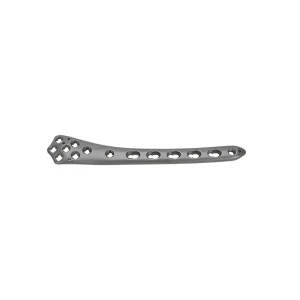
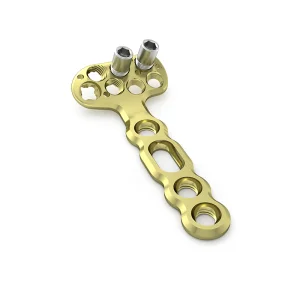
Weed Medical interfaces directly with frontline clinical experts across 200+ hospitals in Sichuan, translating surgeon requirements into manufacturing specifications for trauma plates, interlocking nails, and pedicle systems.
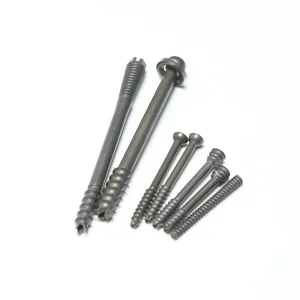
Utilization of high-end implant materials, including Grade 5 Titanium Alloys, shape memory alloys, high-performance PEEK polymers, and absorbable biomaterials to accelerate tissue integration.
From CAD simulation and structural finite element analysis to advanced optical surface roughness analysis and computerized salt-spray testing, our process ensures implant fatigue life exceeds industry norms.
The global orthopedics and internal/external fixation market is experiencing a profound transition driven by minimally invasive surgery (MIS) techniques, customized patient anatomy modeling, and high-performance biomaterial components. As demographic trends reflect an aging global population with active lifestyles, structural devices must sustain higher fatigue life, exhibit exceptional osseointegration, and minimize surgical footprint.
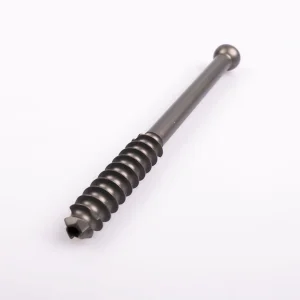
In response, modern orthotics and implant manufacturers have evolved from simple subtractive machining to comprehensive micro-engineering facilities. The inclusion of complex features such as cannulated geometries, locking variable angle configurations, and bioactive coating techniques has redefined implant survival rates. Standardized implants are rapidly being accompanied by custom orthopedic solutions, demanding dynamic manufacturing capabilities (OEM/ODM) that can scale production while maintaining tight tolerances below a few microns.
Large-scale medical device procurement demands absolute adherence to regulatory compliance, supply chain transparency, and material consistency. Global B2B buyers—ranging from regional health ministries to multi-national hospital groups—seek partners capable of navigating strict regulatory landscapes (such as CE MDR, FDA 510(k), and local NMPA compliance). Key structural considerations during procurement audits include:
By coordinating design validation phases directly with engineers in state-of-the-art factories, distributors avoid unexpected regulatory failures and costly recall risks.
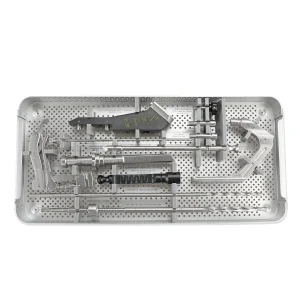
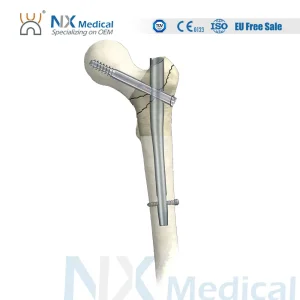
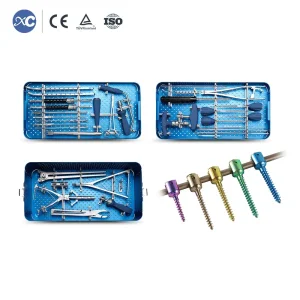
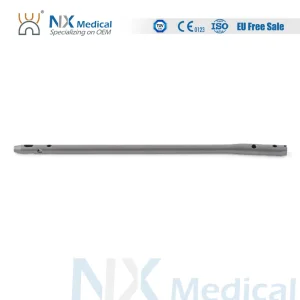
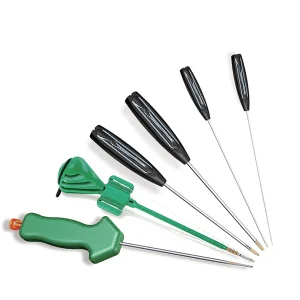
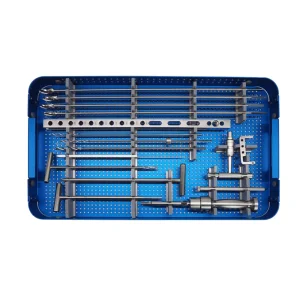
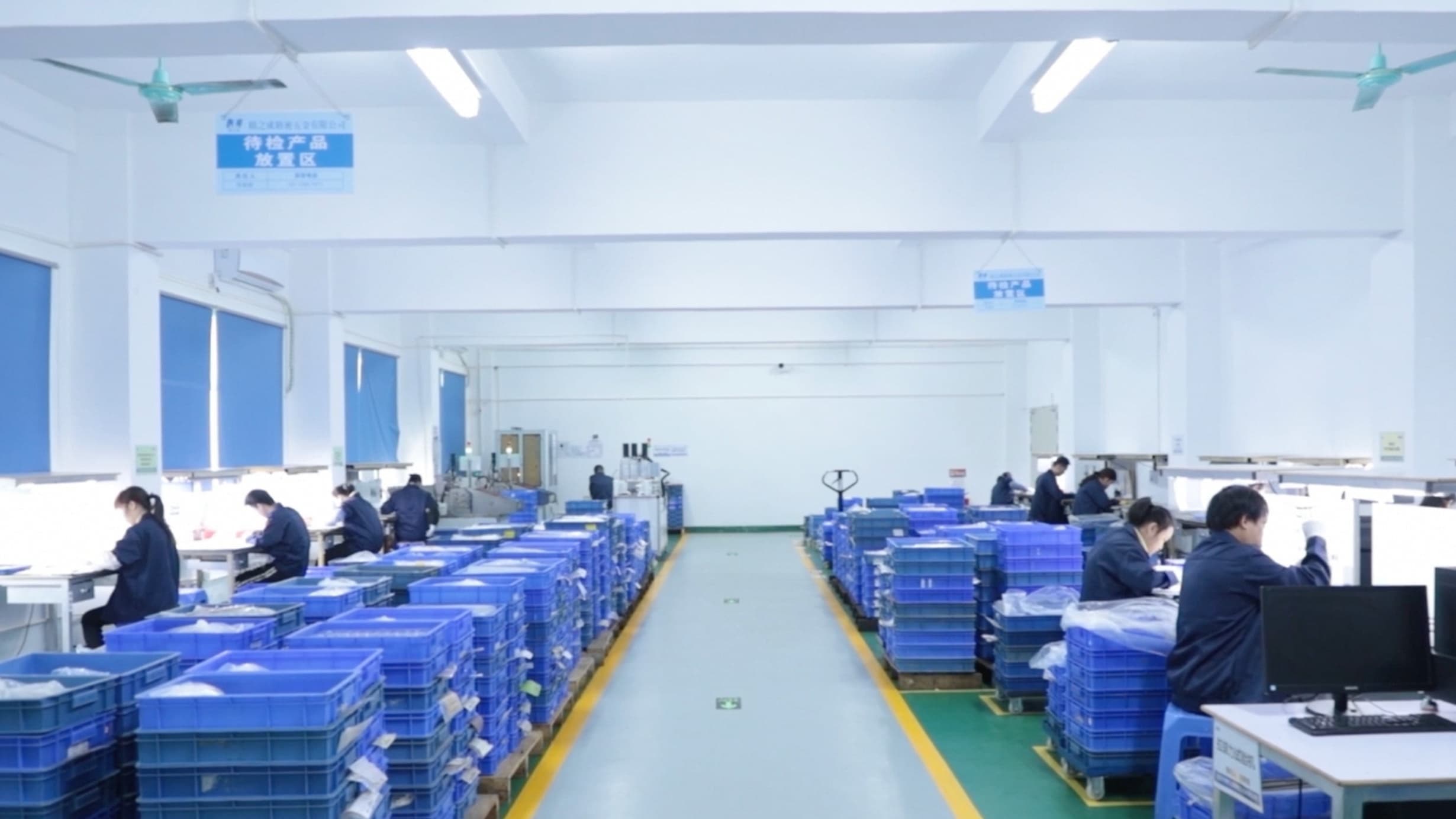
Leveraging China's comprehensive industrial supply chain, Weed Medical delivers an integrated approach to orthopedic manufacturing. Our "Factory 4.0" initiative utilizes automated CNC machining centers, automated vision-based sorting devices (CCD testing), and real-time environment-controlled inspection labs. This deep horizontal integration allows us to produce high-precision instruments (e.g., PFNA femoral nail instrument sets) alongside corresponding implants, ensuring precise tolerance matching during complex surgical procedures.
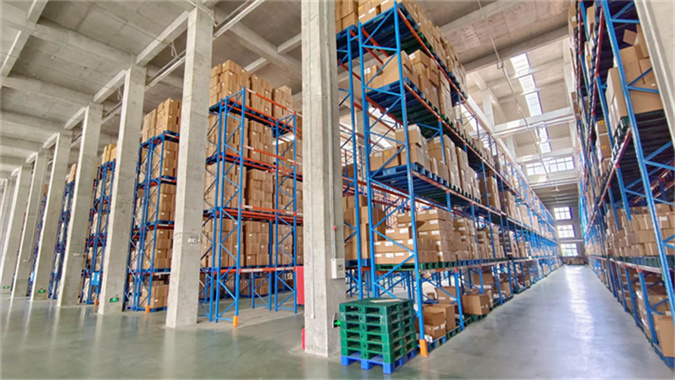
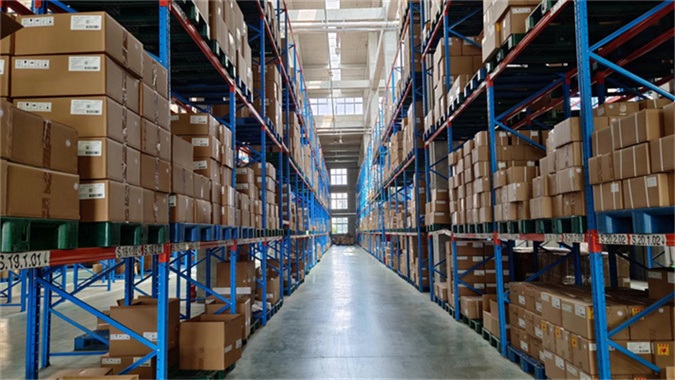
Furthermore, local supply chains enable raw material bulk processing, thermal treatment optimization, and surface finish treatments to occur within tight geographic boundaries. This structural framework mitigates global shipping delays and material shortages, providing an unparalleled buffer for international medical device distributors facing shifting logistics landscapes.
Established in 2015, Shenzhen Weed Medical Apparatus Co., Ltd. (with deep corporate roots alongside Sichuan Heshaun Micro-invasive Technology) is built upon a fundamental business thesis: clinical efficacy is the ultimate arbiter of engineering quality. Our core technical development involves university research teams, biomechanical academic institutions, and senior orthopedic clinical experts.
Through our direct-sales division servicing over 200 hospitals in Sichuan, we capture immediate clinical feedback on ergonomics, implant placement speed, screw stripping issues, and instrument performance. These real-world clinical reports feed directly back to our manufacturing division, driving iterative enhancements in drill-guide configurations, self-tapping screw threads, and the anatomical contouring of our plate profiles.
How we achieve sub-micron precision for medical-grade implantable components
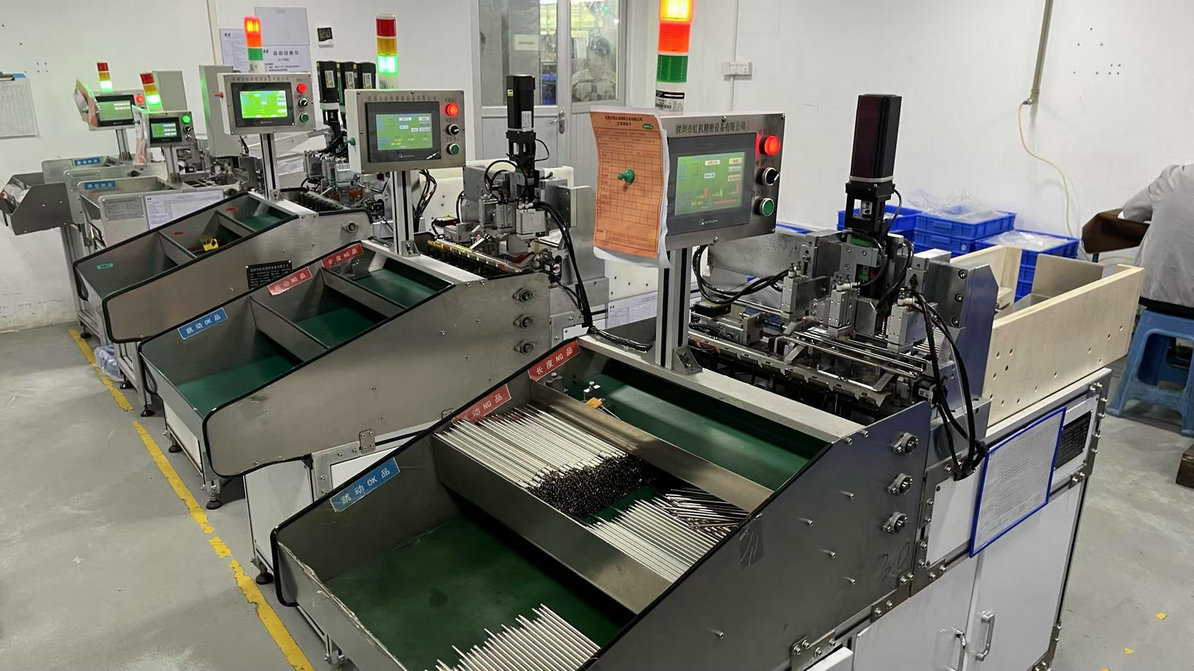
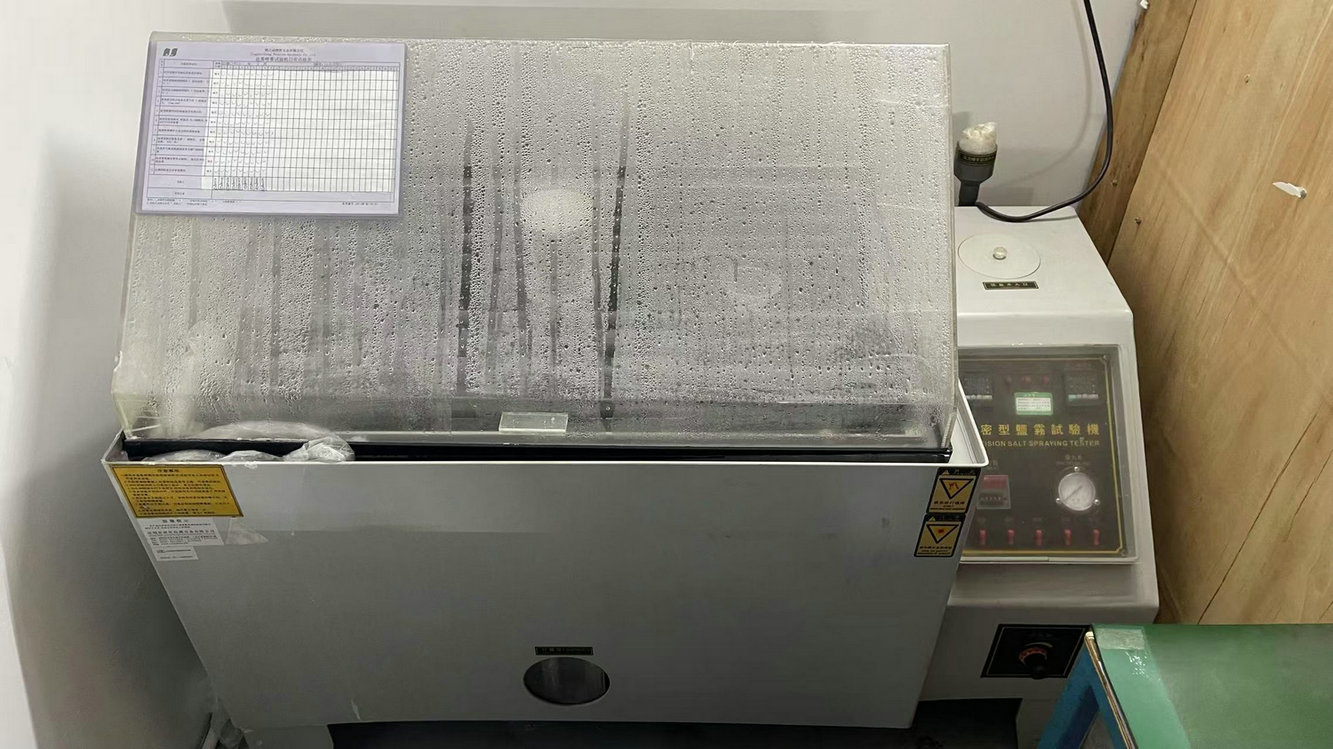
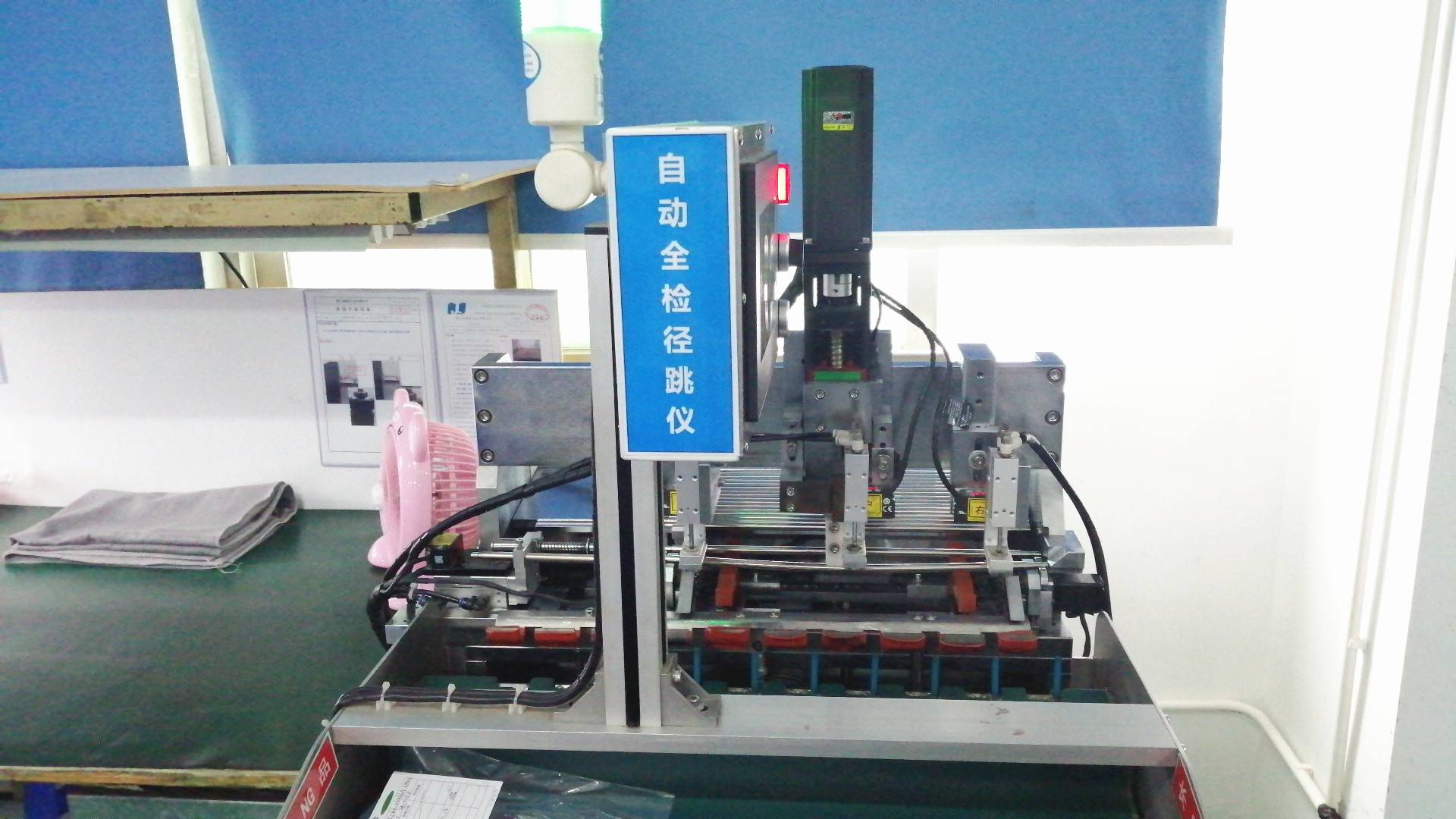
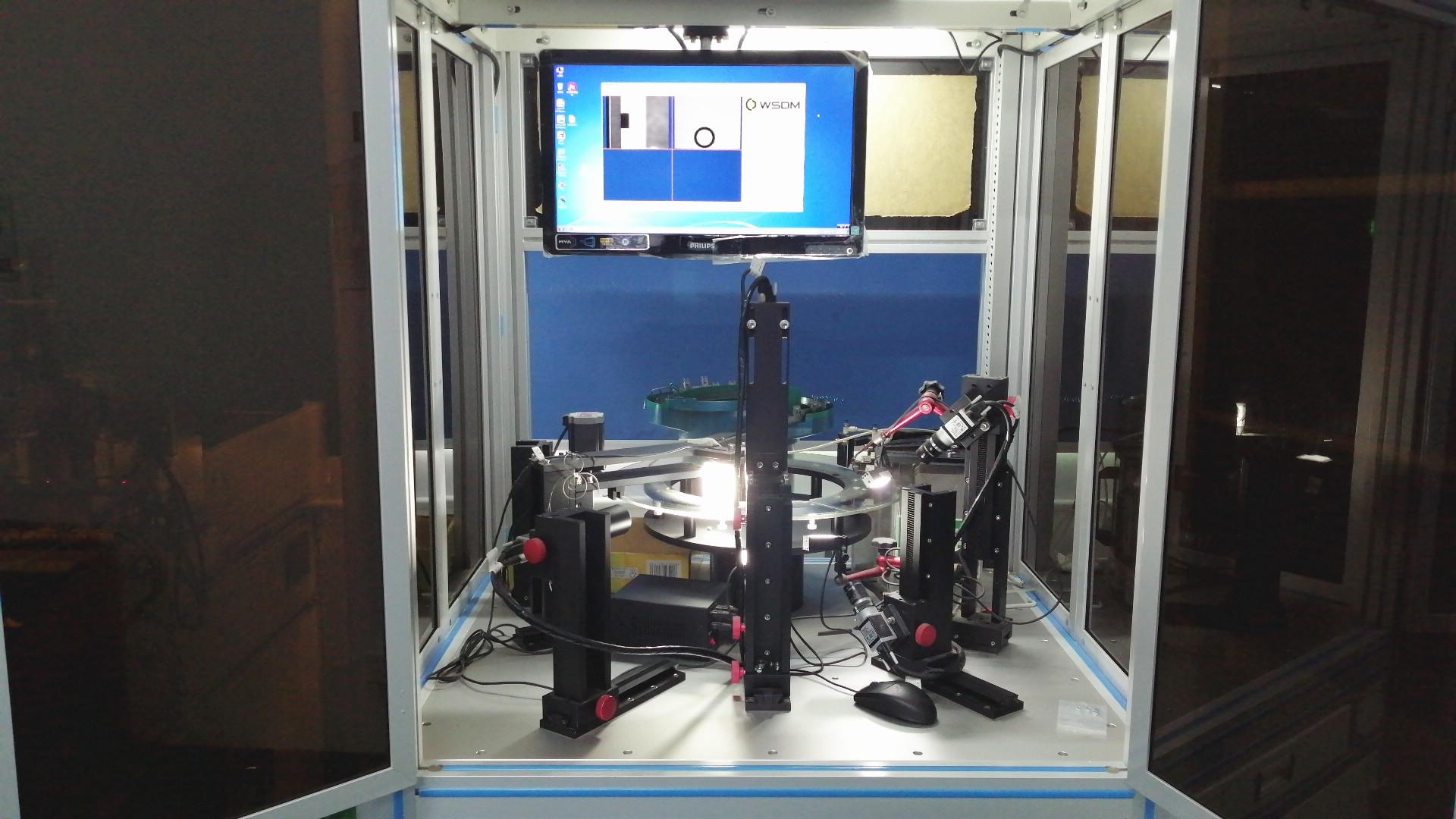
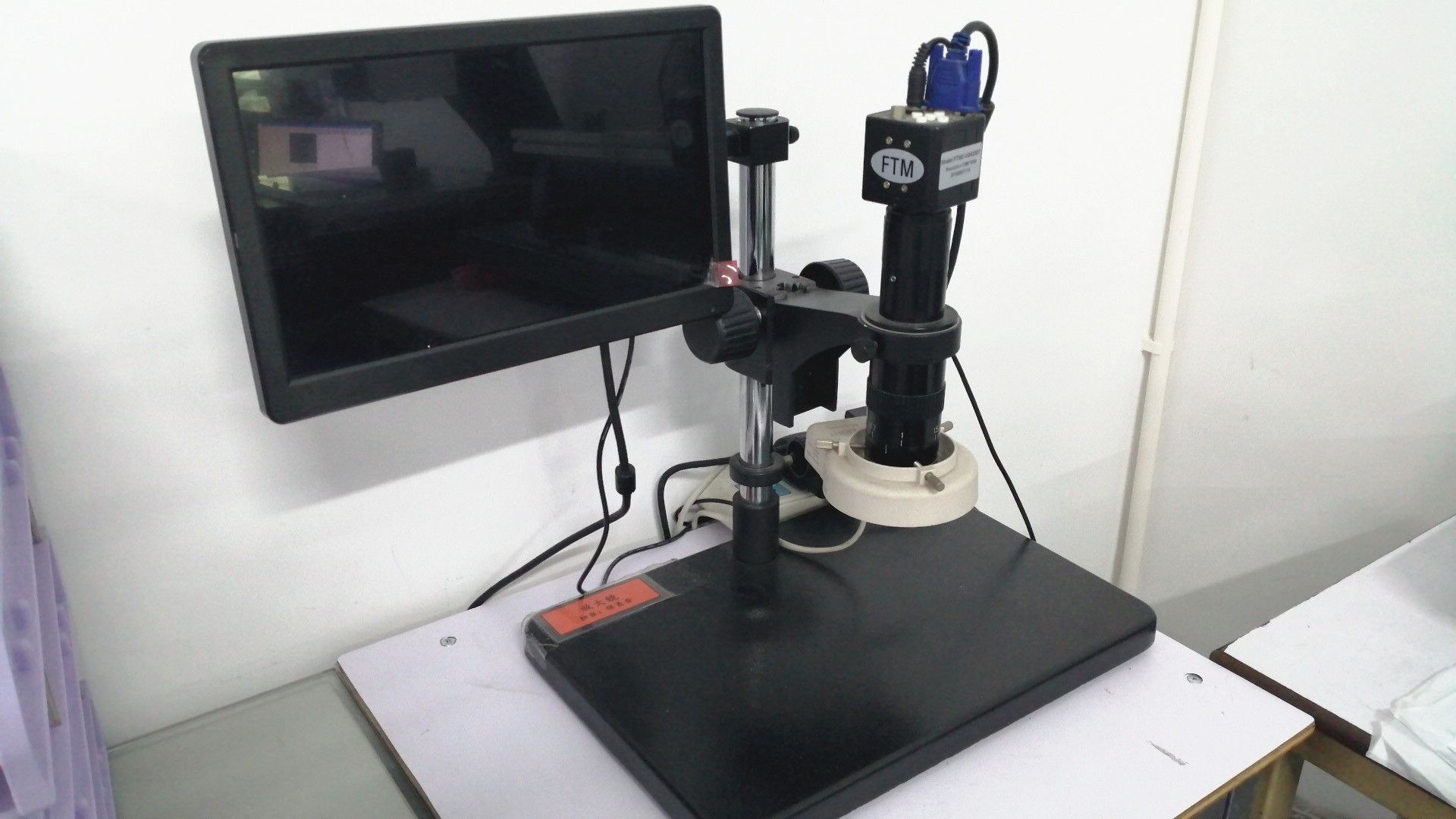
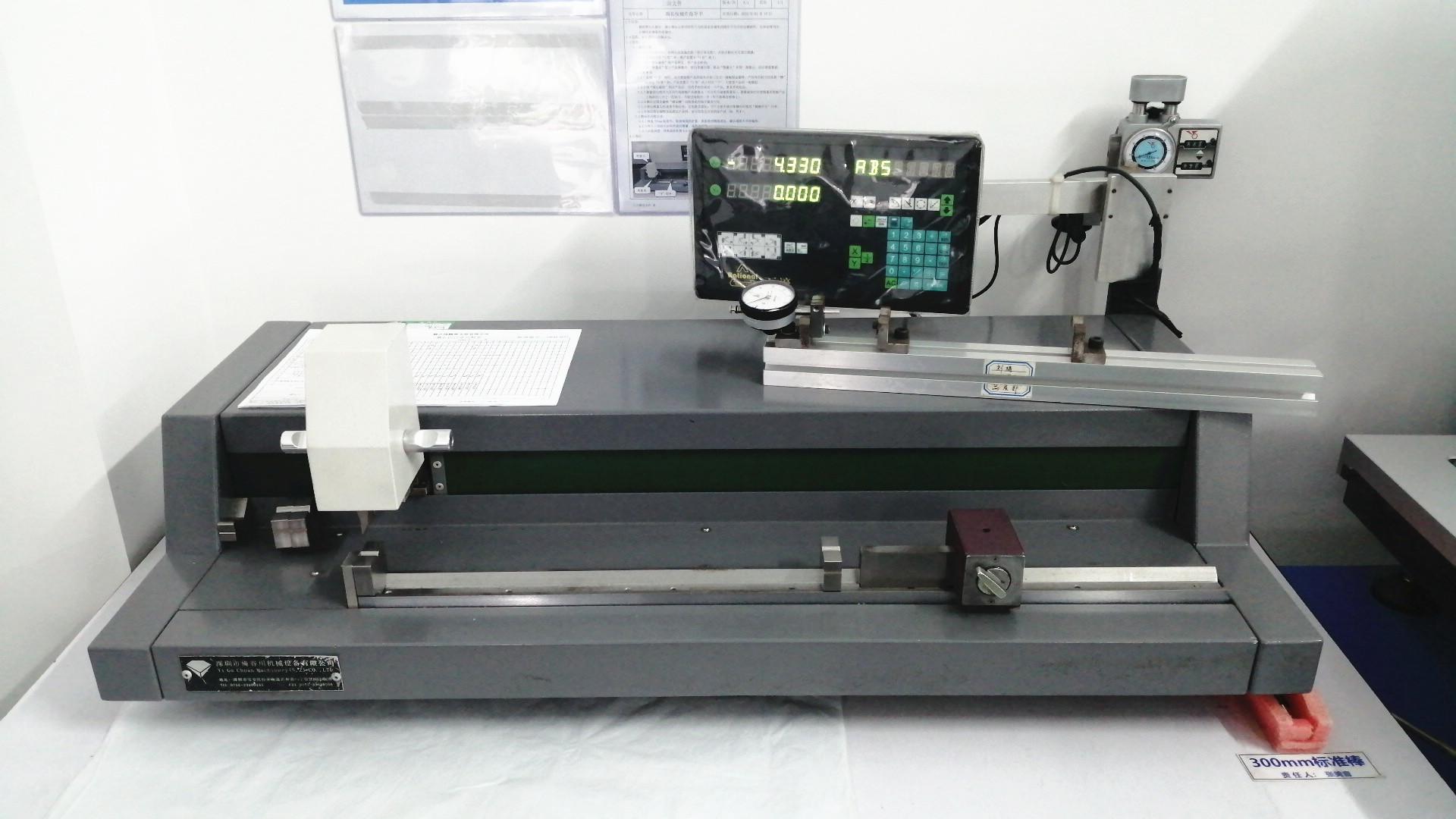
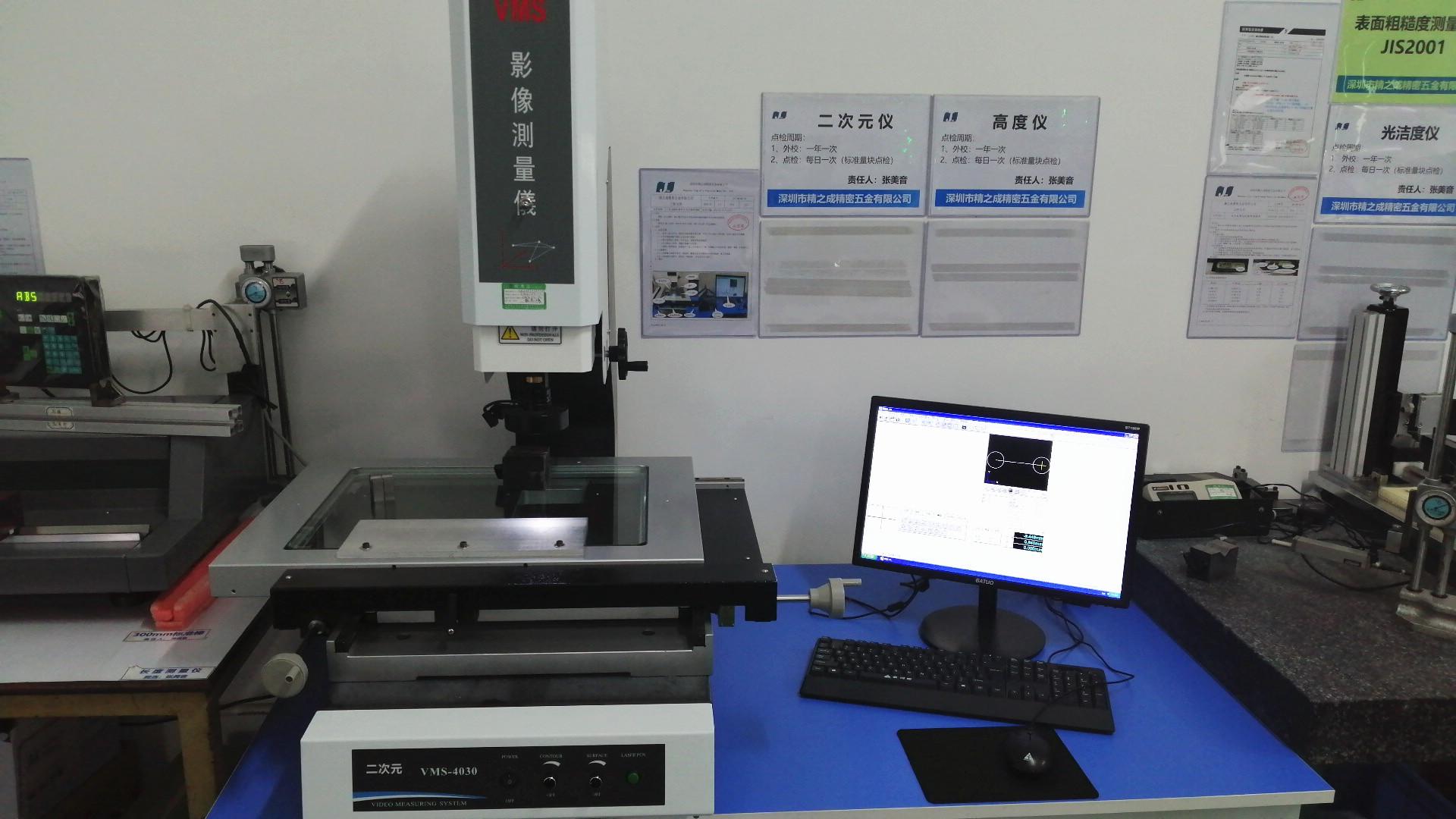
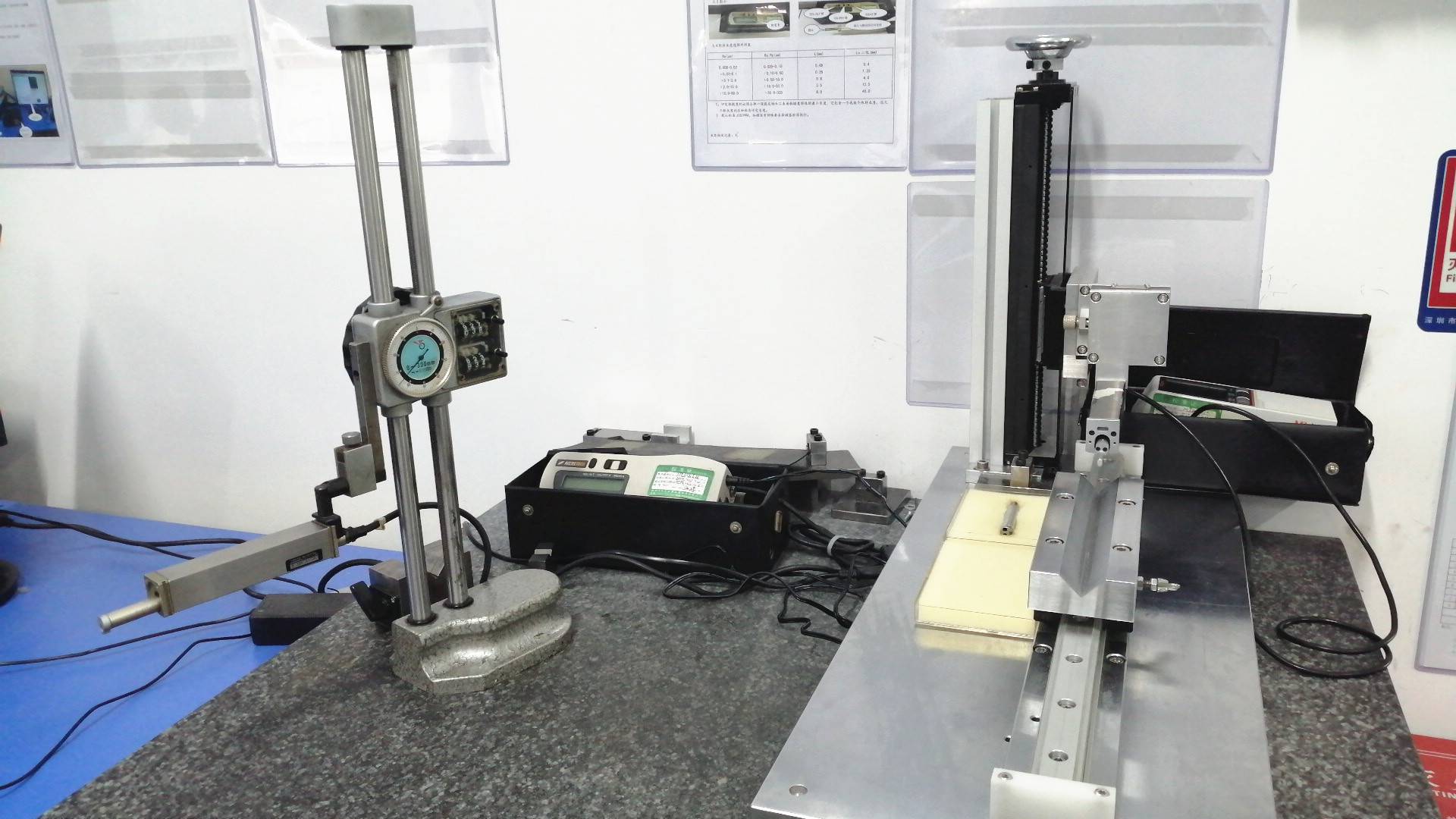
Our cleanrooms and testing areas are certified under sterile environment criteria. We run continuous batch testing on dynamic loads and corrosion resistance profiles to satisfy ISO 13485 standards.
Addressing technical and commercial details regarding OEM/ODM implant sourcing
High-durability implants for multi-axial reconstruction and specialized surgical environments
 Weed Orthopedic Implants