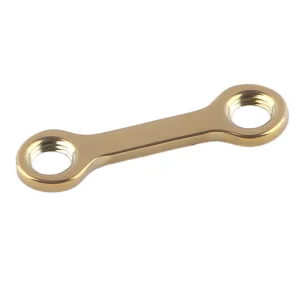
The global clinical demand for biocompatible implants has registered exponential growth over the past decade. Medical-grade silicone implants, recognized for their unmatched durability, chemical stability, and physiological inertness, occupy a critical position in both cosmetic augmentation and complex reconstructive surgery. However, as medical technologies merge, the boundaries between silicone elastomer components, titanium osseointegration plates, and bioresorbable structural polymers are blending.
When procurement executives select a manufacturing partner, they are not simply choosing a supplier; they are evaluating a sophisticated regulatory and technological ecosystem. Advanced implants demand raw materials manufactured under strict cleanroom conditions (ISO Class 7/Class 10,000 environments) utilizing medical-grade liquid silicone rubber (LSR) and high-consistency silicone rubber (HCR). These elastomeric formulations must endure rigorous sterilization methods—including Ethylene Oxide (EtO), Steam Autoclaving, and Gamma Radiation—without altering structural parameters, tensile strength, or surface bio-interaction.
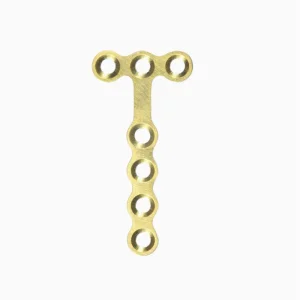
Different surgical pathways require tailored cross-linking densities. Aesthetic soft-tissue reconstruction relies on ultra-soft gel cores surrounded by multi-layered texturized elastomer shells to minimize capsular contracture. Conversely, structural orthopedic or maxillofacial reconstruction interfaces rely on high-durometer elastomers, PEEK cores, or titanium matrices to handle physiological mechanical loading.
The future of surgical implants lies in active biomechanical integration. The industry is currently shifting through three distinct generations of technological development:
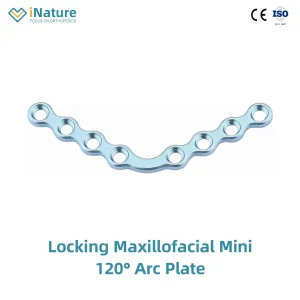
Pioneering factories are heavily investing in 3D-printing technologies for medical implants. Using Direct Metal Laser Sintering (DMLS) for custom Titanium maxillofacial plates and precise additive liquid silicone molding allows manufacturers to produce patient-specific anatomies. This level of customization dramatically reduces operating room times and optimizes structural outcome reliability.
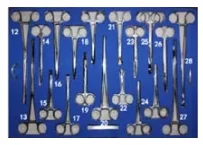
Modern operating suites require systemic surgical solutions, not isolated hardware. Leading manufacturers recognize that an implant's performance depends on the instrumentation kit used during surgery. This is why top-tier medical device factories supply combined packages featuring:
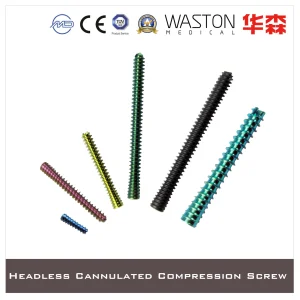
Established in 2015, Shenzhen Weed Medical Apparatus Co., Ltd. (in close cooperation with Sichuan Heshun Micro-invasive Technology Co., Ltd.) has positioned itself as an industry leader in clinical consumables and advanced surgical devices. The enterprise operates a dual-engine direct sales and distribution network, supplying high-end implantable consumables, shape memory alloys, bioabsorbable interfaces, and 3D-printed orthopedic solutions to over 200 hospitals in Sichuan Province and beyond.
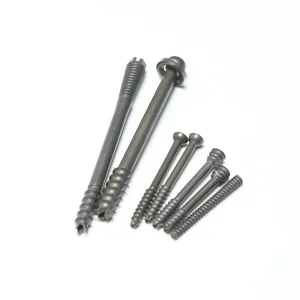
By bridging the gap between frontline clinical feedback and laboratory engineering, Weed Medical works alongside surgeons, universities, and research institutes. The technical department translates clinical challenges into custom solutions, ensuring that every plate, screw, or fixator outperforms baseline global standards.

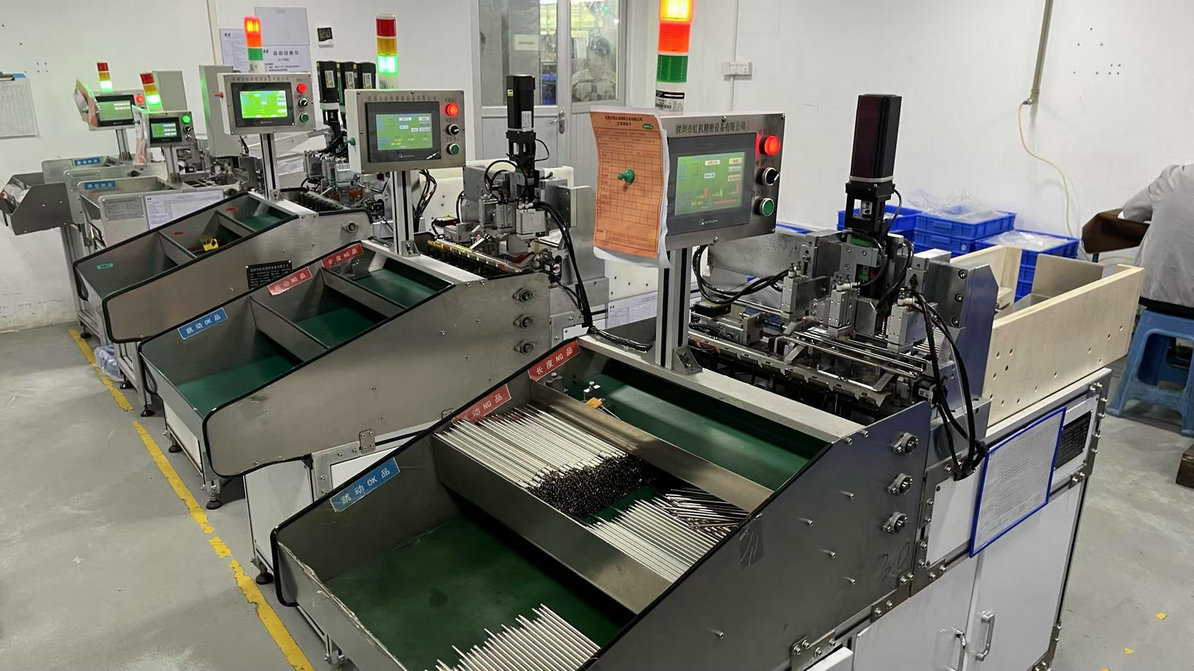
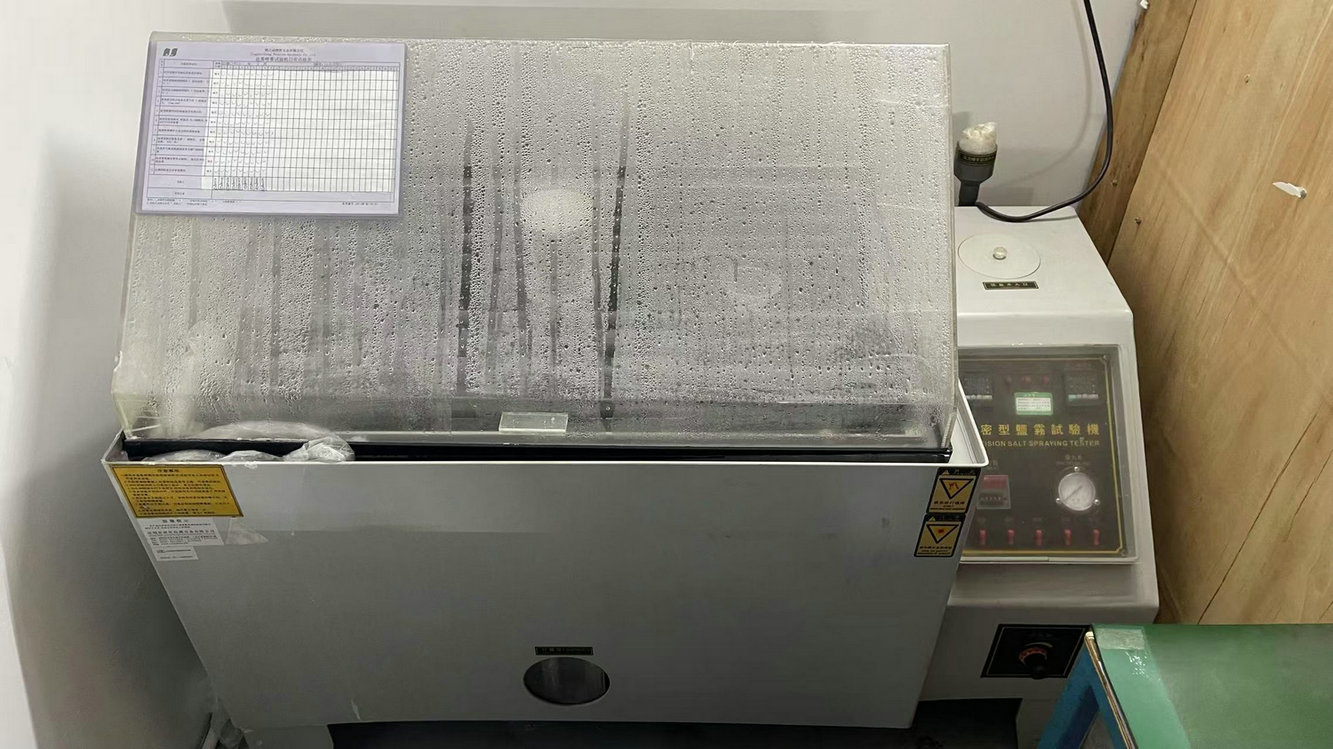
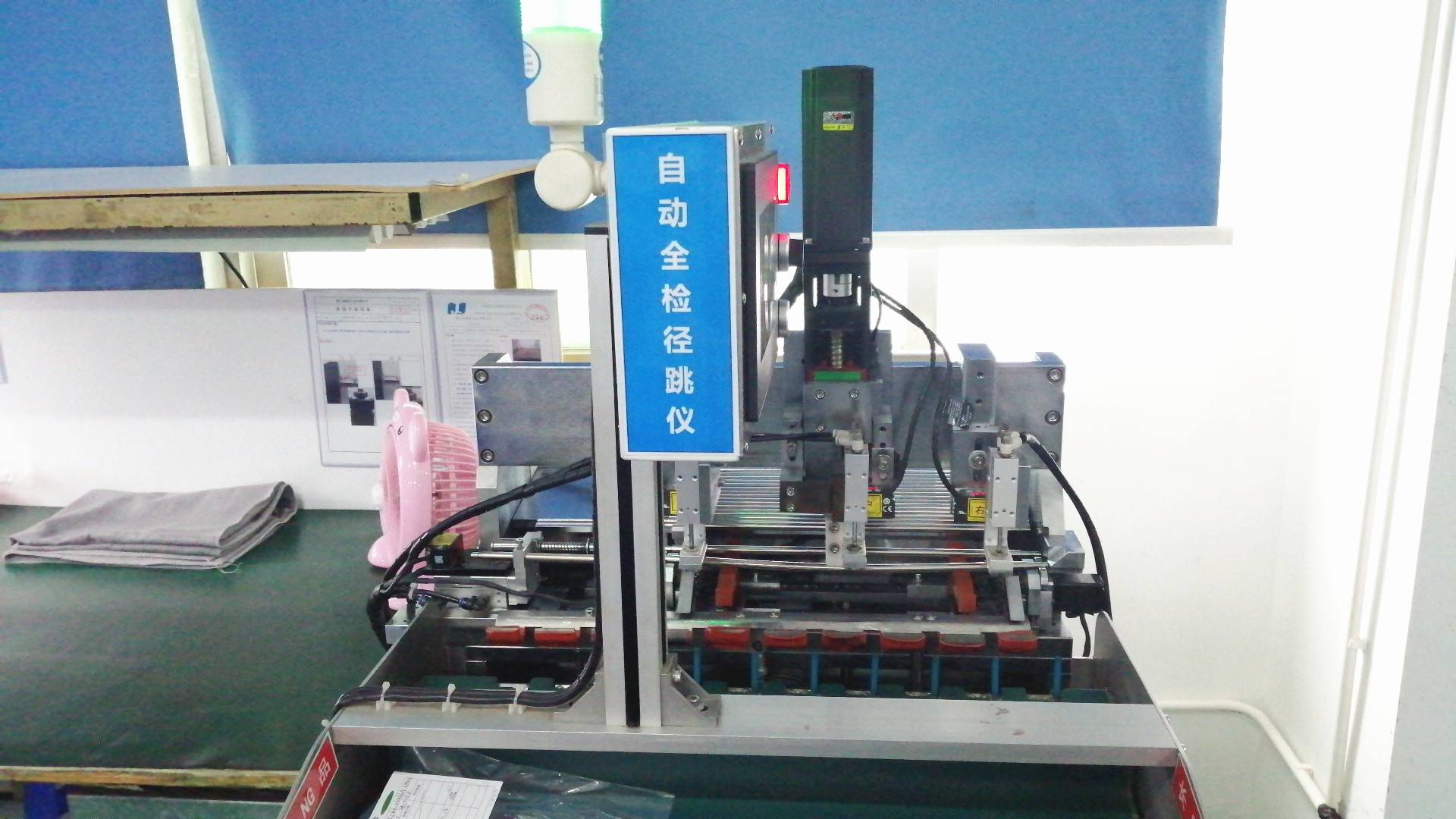
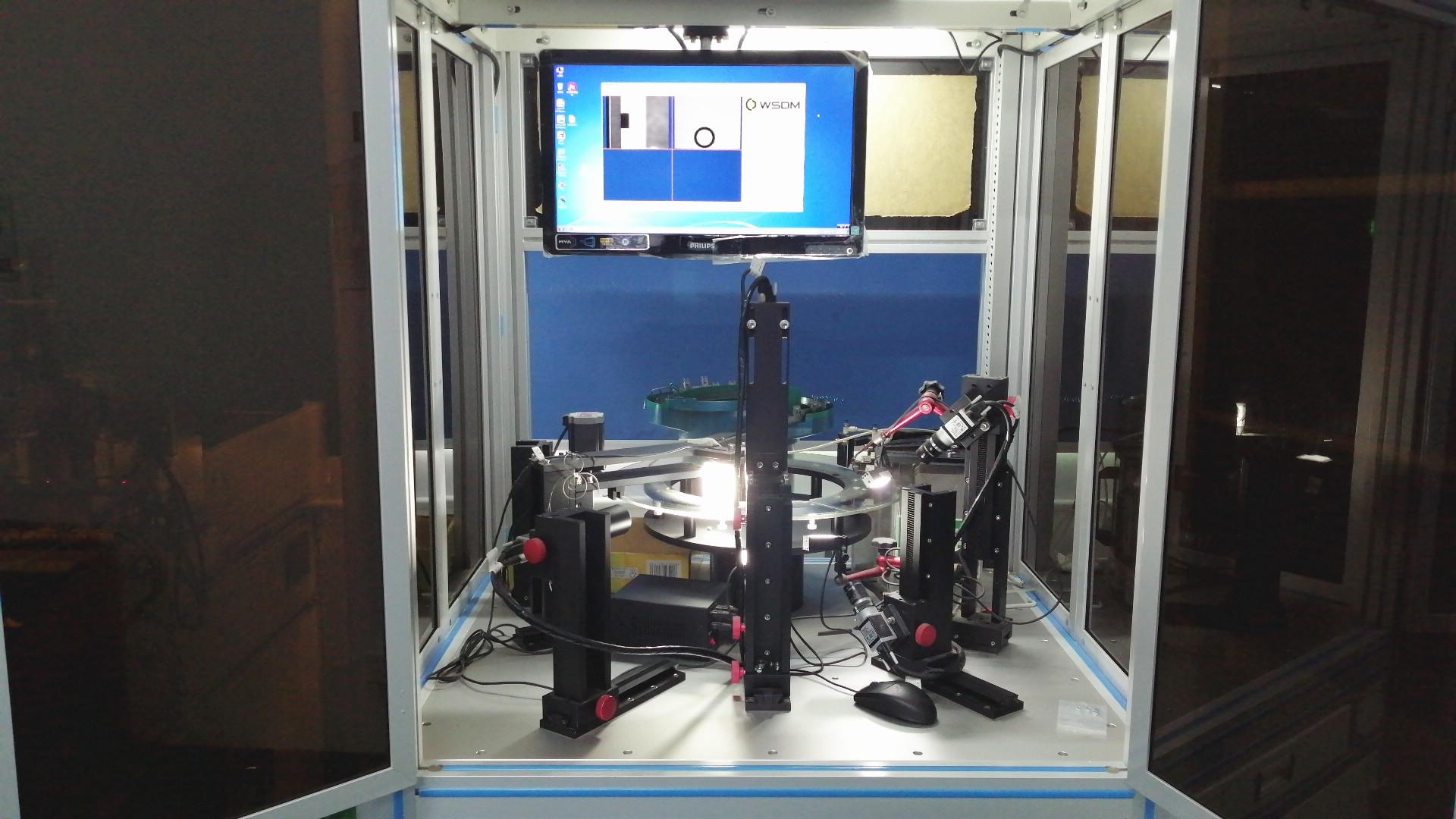
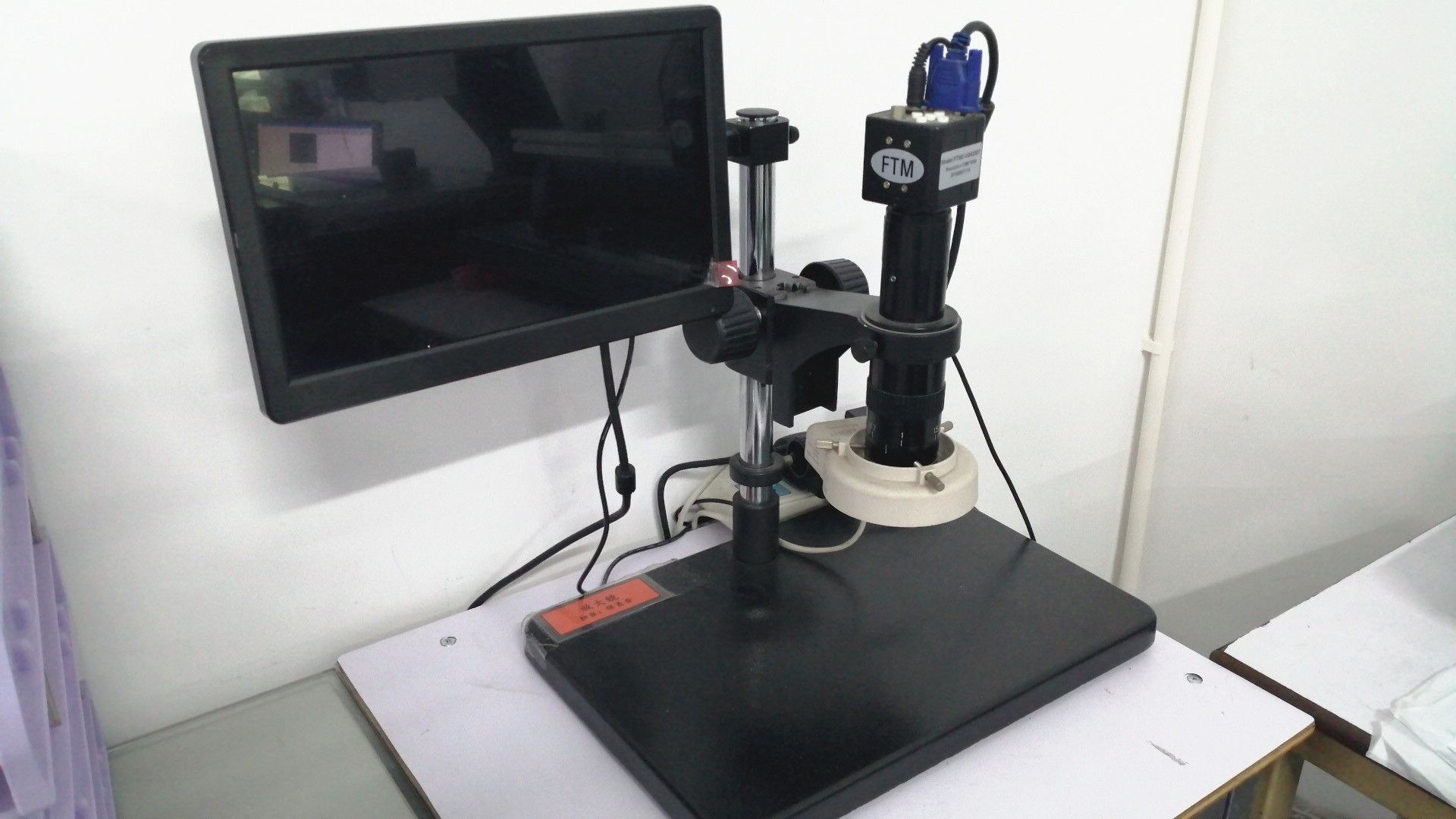
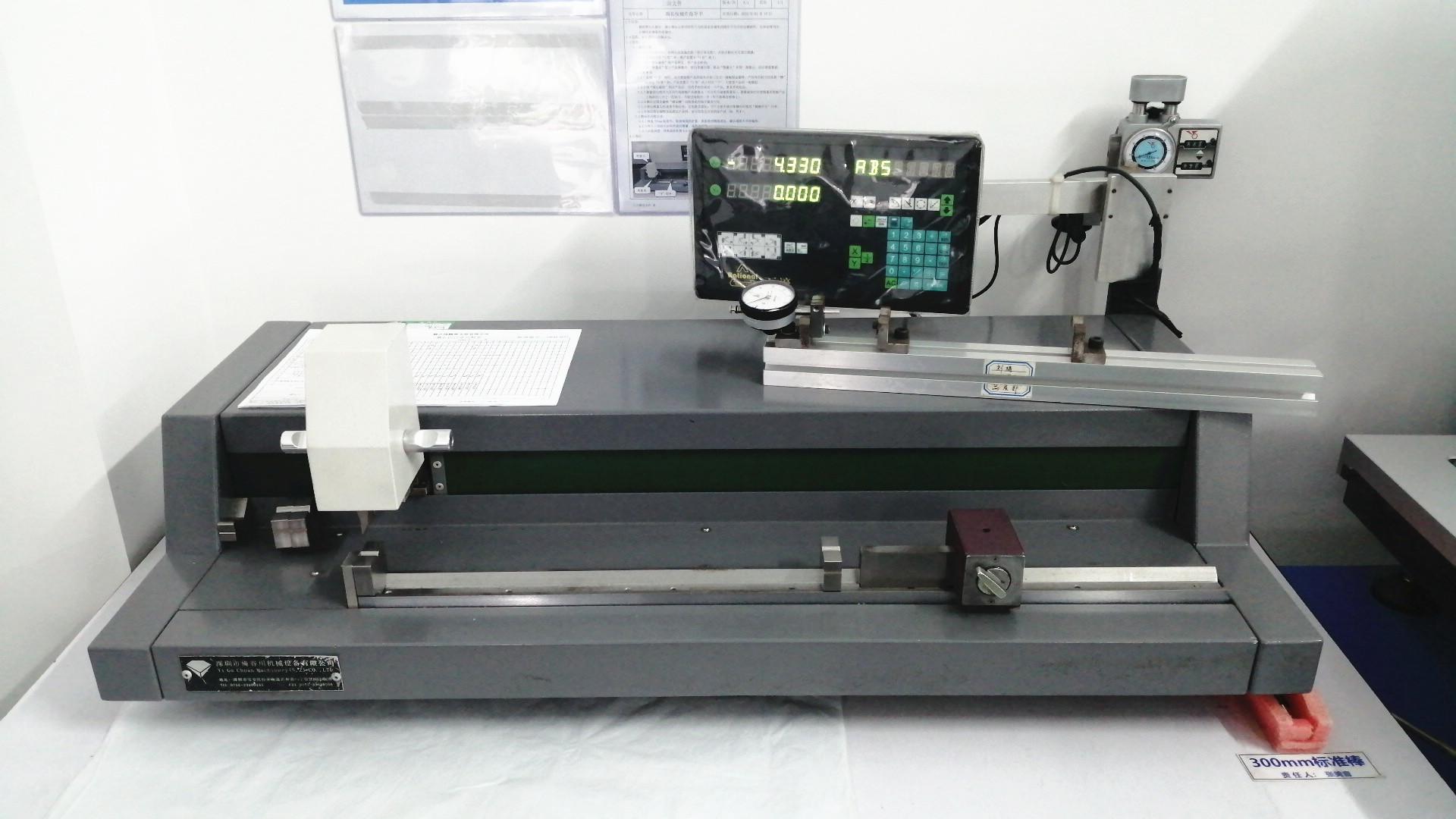
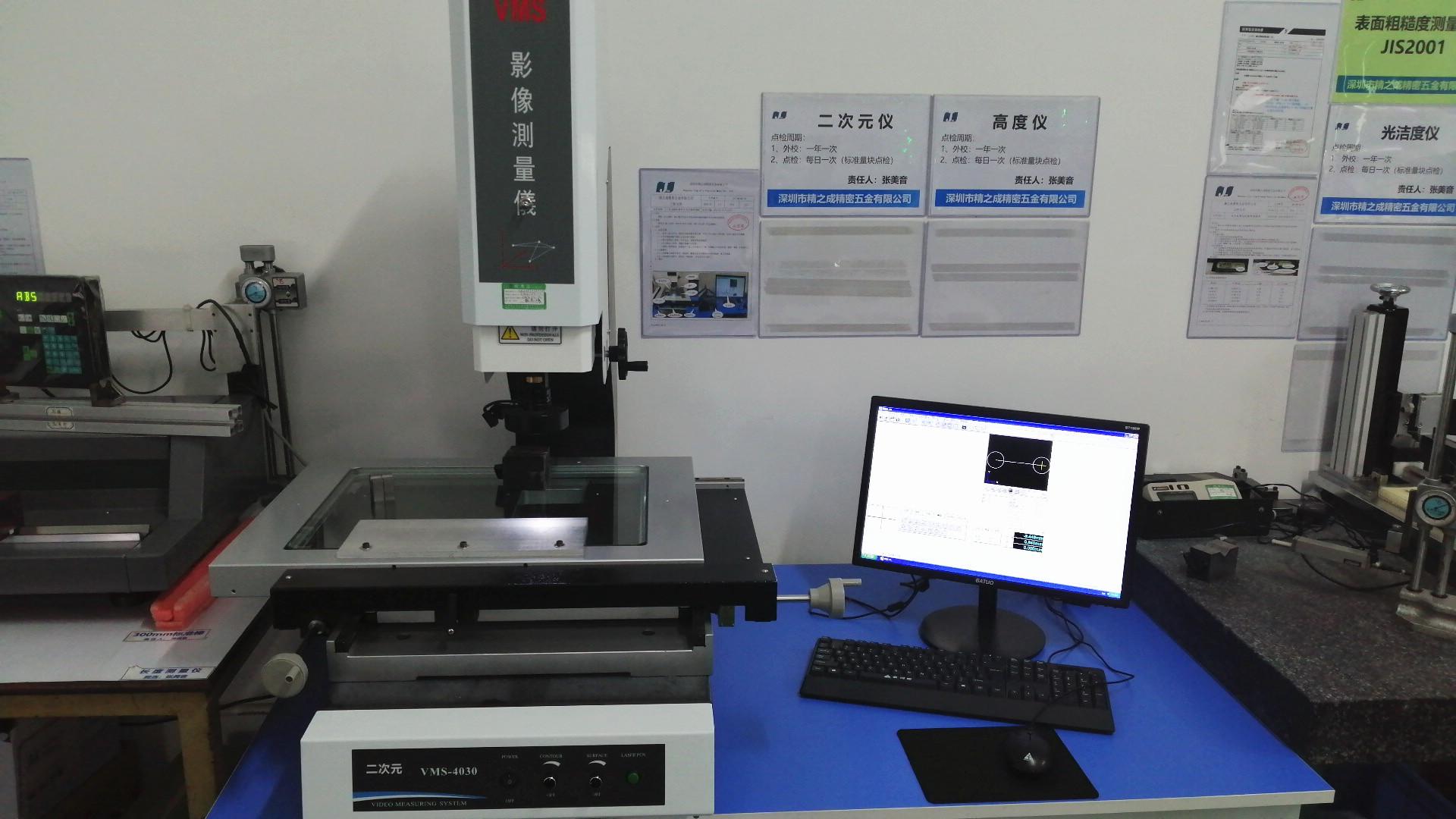
 Weed Orthopedic Implants